
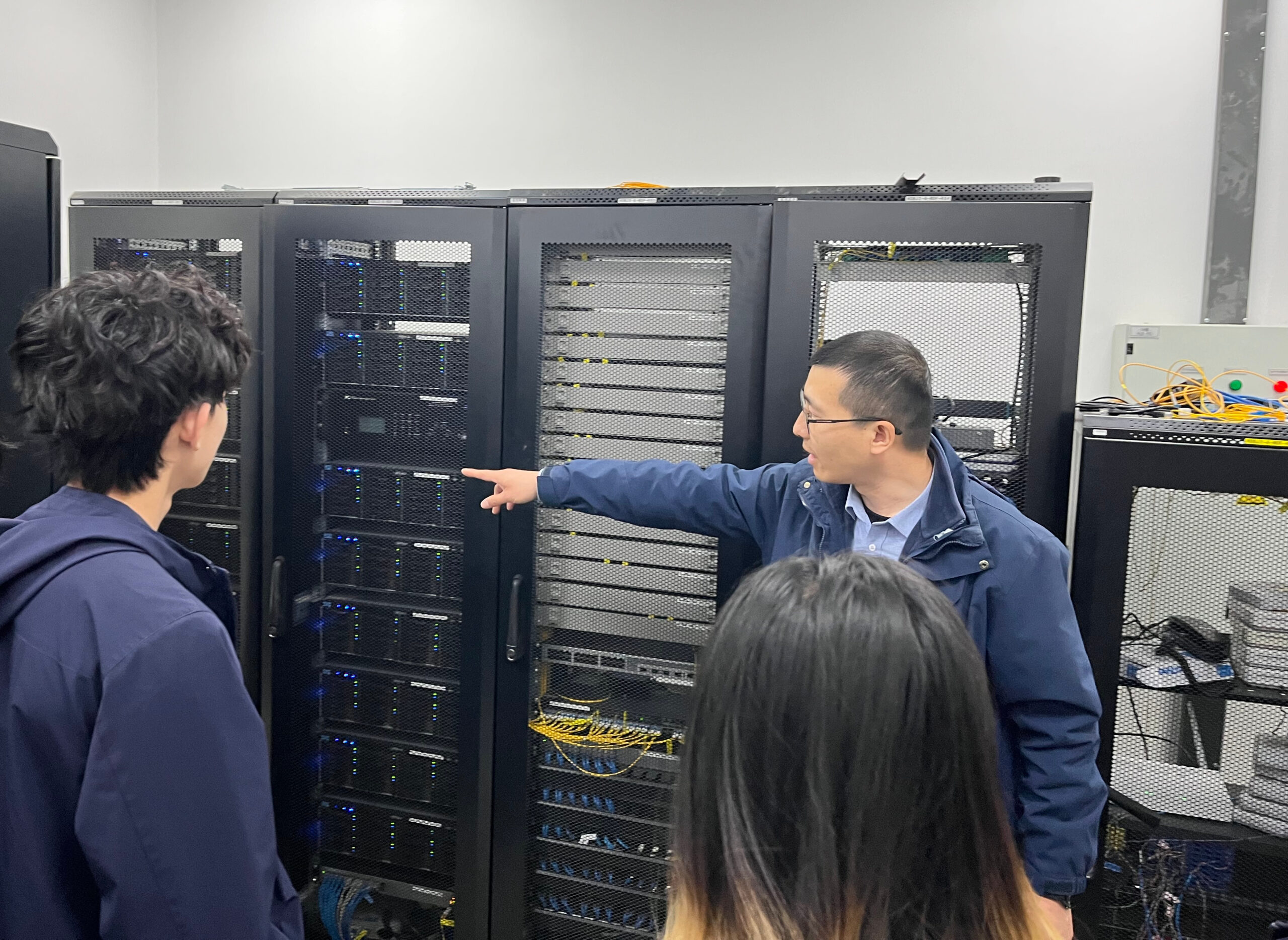
In our Grade 9 ICT Computer Networks unit, students moved beyond theory and explored how networks work in the real world through a hands-on and highly engaging practical experience.
Building Ethernet Cables
One of the highlights of the unit was a practical lesson where students learned how to create their own Ethernet cables. Using professional crimping tools and cable testers, students:

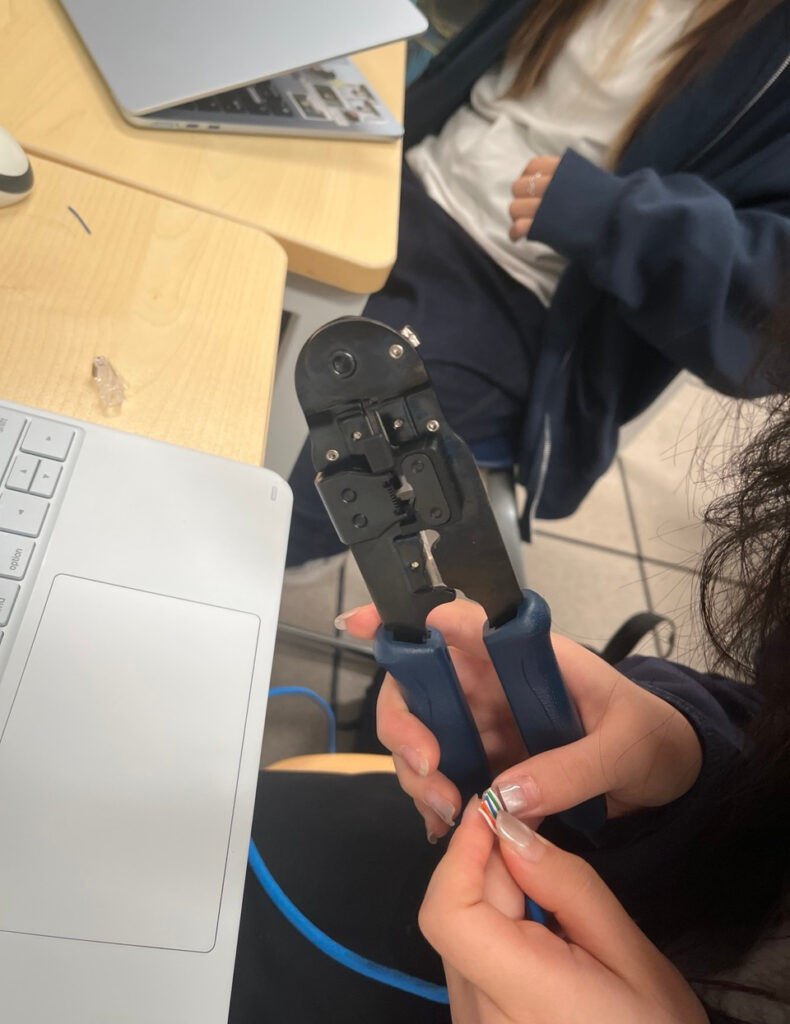
- Stripped and prepared network cables
- Arranged wires following the T-568B standard
- Crimped connectors onto the cables
- Tested their cables to ensure correct connectivity
This activity helped students understand how physical network connections are made and the importance of precision in networking.
Exploring the School Network Infrastructure
To complement their practical work, students were given a guided tour by the school’s IT team. This provided a valuable opportunity to see how networking concepts are applied on a larger scale.
During the tour, students explored:
- The school’s internet connection and how it enters the campus
- Network cabinets and switches that distribute connectivity
- The role of Ethernet cabling in classrooms and offices
- Wi-Fi access points that provide wireless coverage
- The use of fibre optic cables for high-speed data transmission
The IT team explained how all these components work together to create a reliable and secure network for the entire school.
Connecting Theory with Practice
By combining hands-on cable building with real-world observation, students developed a deeper understanding of:
- How devices communicate within a network
- The difference between wired and wireless connections
- The importance of infrastructure in supporting modern digital environments
A Valuable Learning Experience
This experience allowed students to see that computer networks are not just abstract concepts, but essential systems that power everyday technology. From sending messages to accessing online resources, students now better understand the journey data takes behind the scenes.